 한국어
 English
 日本語
 Tiếng Việt
 Filipino
Application
Material · contamination · operating environment
 Technology for customers, care for the environment
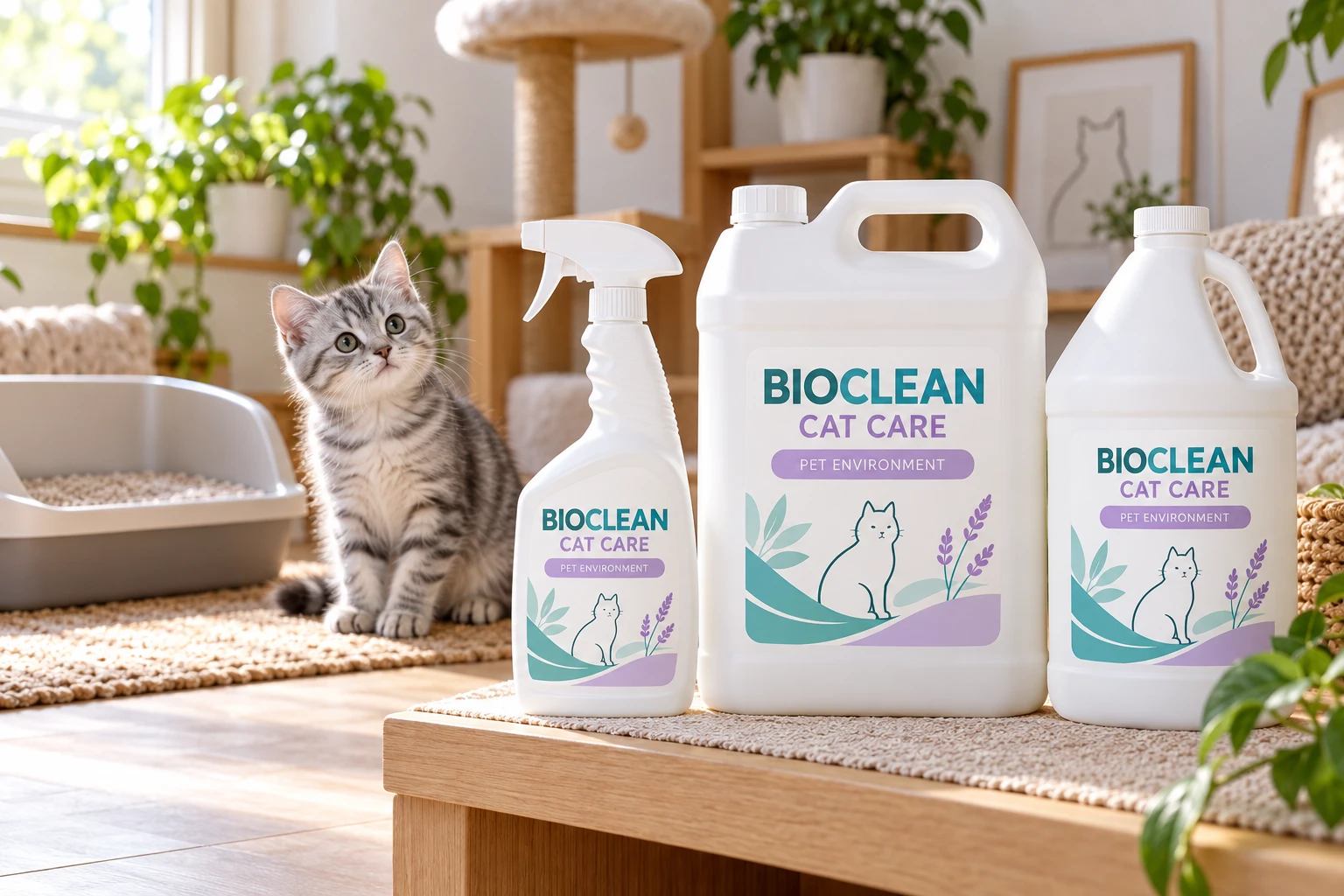
BIOCLEAN / CAT CARE
Prioritize removal of urine and marking residues and cleaning empty litter-box surroundings rather than covering odors with fragrance.
Product development and supply consultation. Not for animal bodies, medical treatment or behavior modification.
APPLICATION ENGINEERING
Routine cleaning balances soil removal with protection of the existing finish. Distinguish floors, glass, textiles and hygiene areas, then assess foam, recovery, rinse residue and drying for the maintenance cycle.
Material · contamination · operating environment
Cleaning objective · compatibility · residue
Application · contact · recovery · rinse · dry
Appearance · residue · maintenance interval
Selection goes beyond cleaning power. We consider material changes, workability, recovery and rinsing, repeated use and maintenance conditions.
BIOCLEAN · CONTINUOUS DEVELOPMENT
Korea Total Service continues researching products and application processes, drawing on more than 25 years of development experience. Customer requirements are our starting point: we connect soil sources, materials and actual working conditions when developing product specifications.
Cat-space care distinguishes litter-area soil from odors penetrating textiles and substrates. Fragrance-free development, material compatibility, recovery, rinsing and full drying are priorities, with animal exposure conditions included in specification discussions.
We distinguish soil types, depth and sources to discuss specifications for cleaning, removal or protection.
We assess surface changes, recovery, rinsing, drying and follow-up care alongside cleaning objectives to propose usable field methods.
Manufacture after order is our basic policy, including general-purpose products. Customer requirements and application feedback inform subsequent specifications.
Final ingredients, instructions, SDS and performance documentation are provided for the agreed product specification. These are development and selection criteria, not quantified guarantees of identical outcomes in every condition.
Empty litter trays, carriers, floors and compatible urine-affected fabrics. Distinguish surface soil from penetration into seams or padding. Do not spray occupied litter or promise to stop marking behavior.
Cat-focused development: assess urine penetration and recurrence after drying, and compatibility with empty plastic trays and seams. Explore a design without ammonia-based cleaning ingredients or strong fragrance; complete urine-residue breakdown and prevention of re-marking are not guaranteed.
Plan matched-soil/material/drying tests against untreated and cleaning controls, with odor, stains, residue, slip, enzyme activity and preservation stability checks.
References concern environmental cleaning, not certification of this product.
Humane World — pet stains & odors