BIOCLEAN puts technology development at the centre of its business. We first understand your problem and operating conditions, then develop tailored solutions by considering chemistry, materials, equipment and processes together.
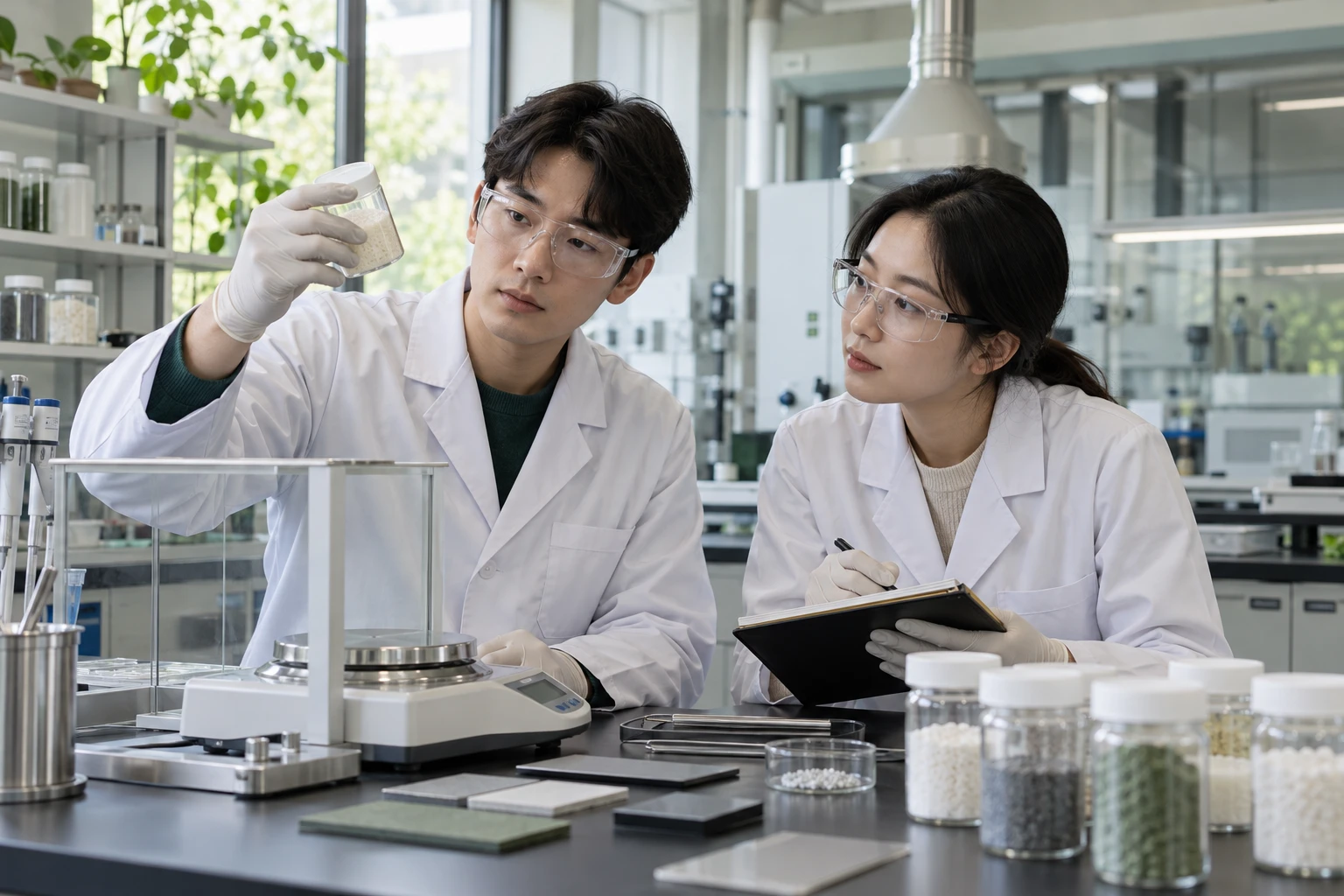
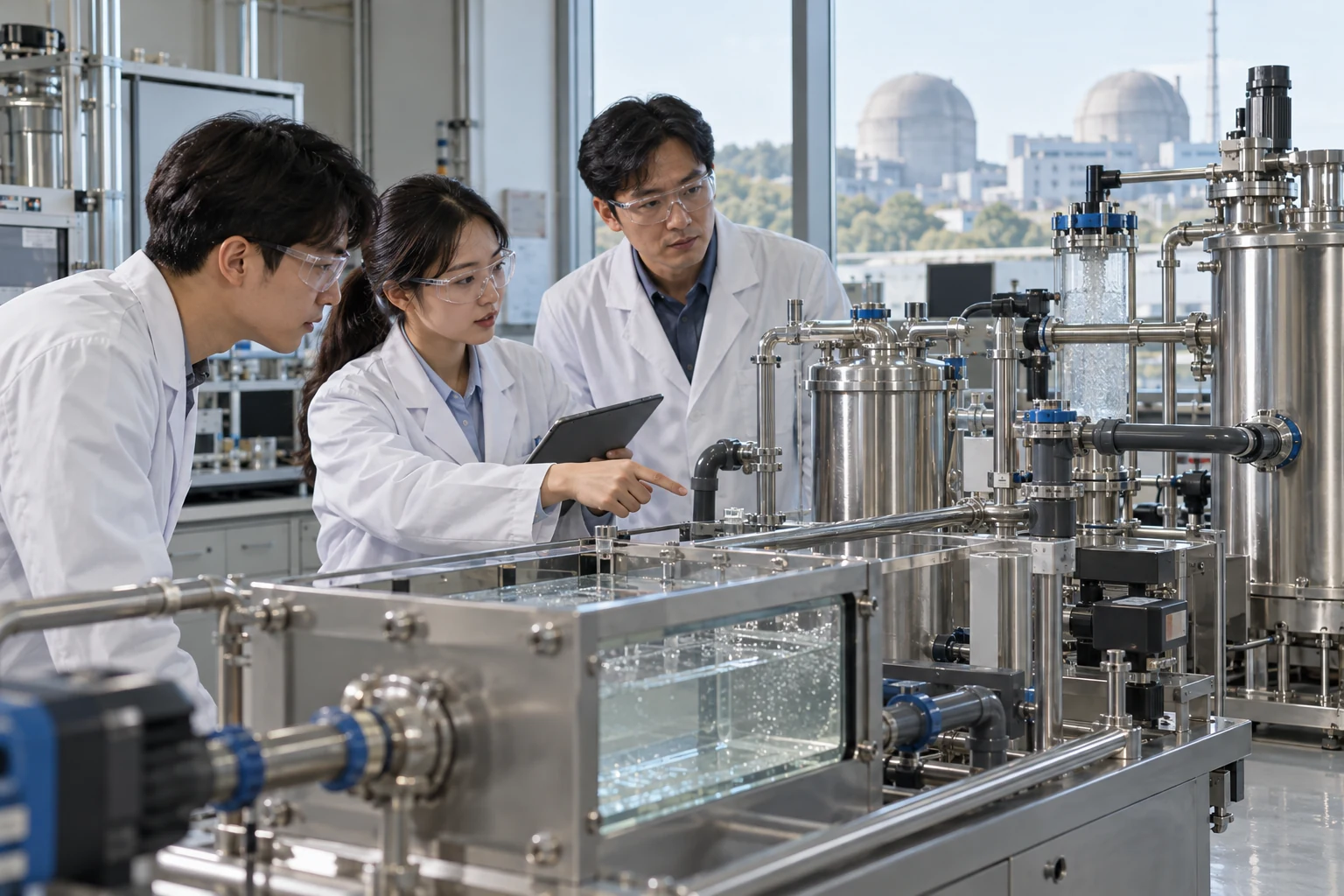
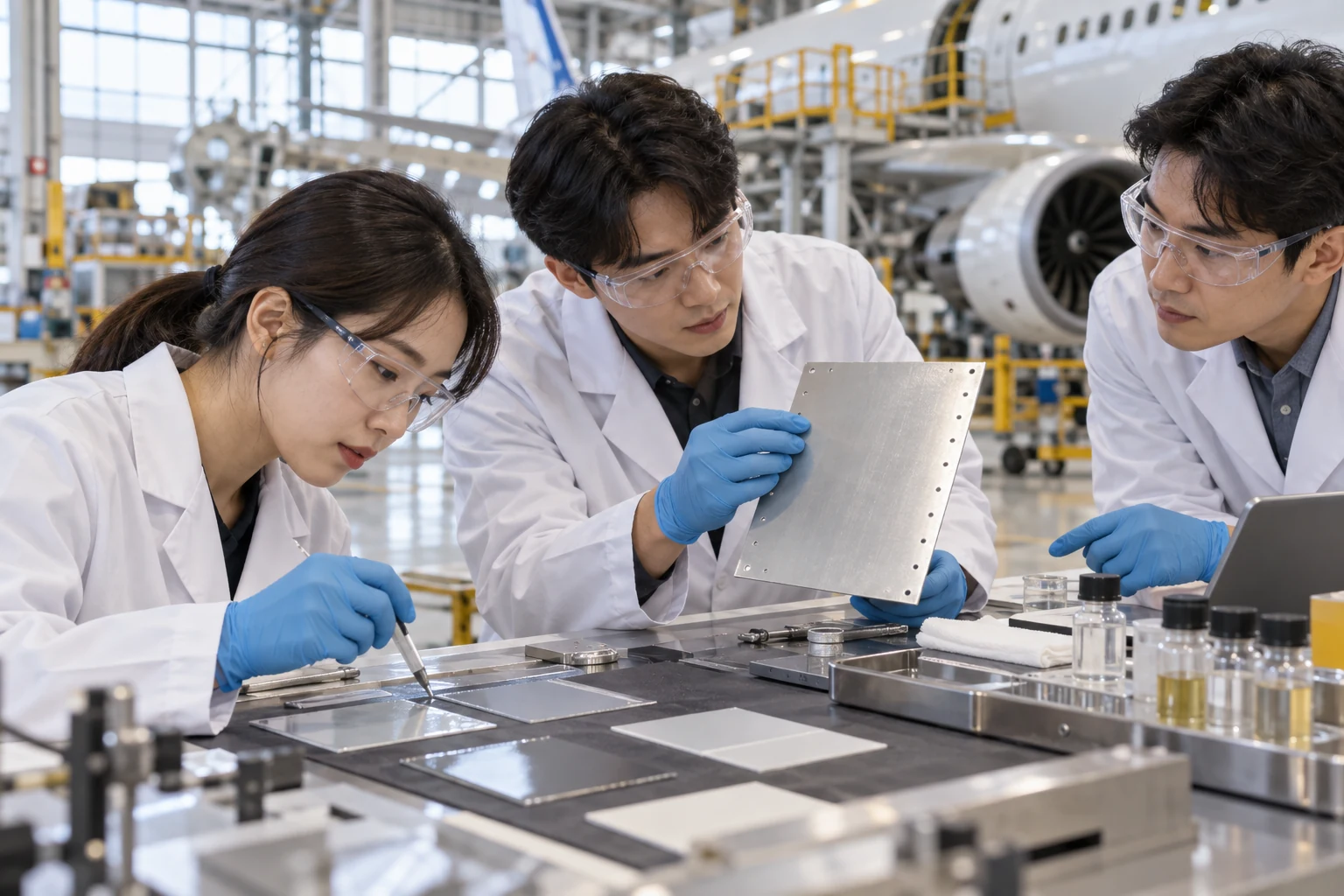
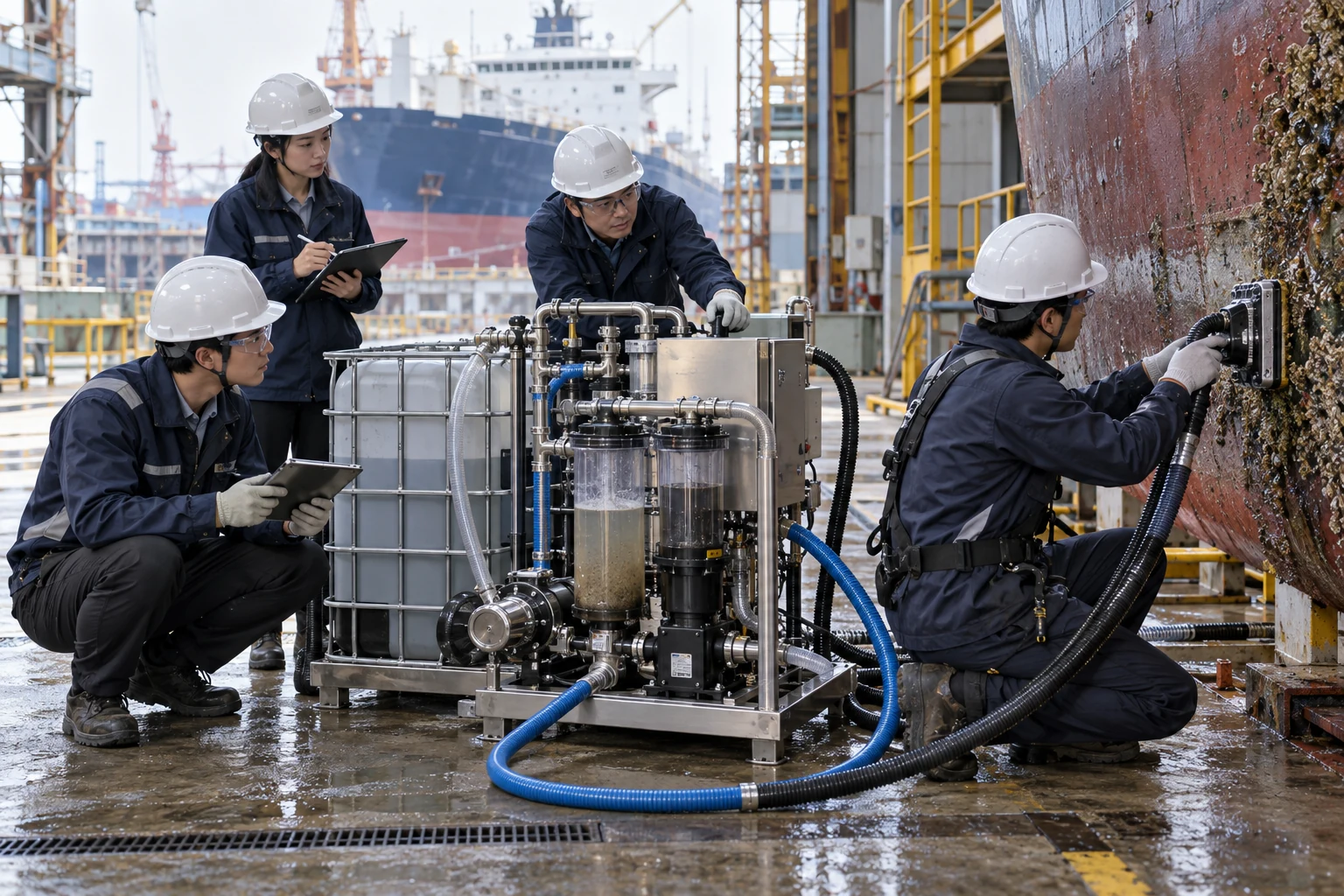
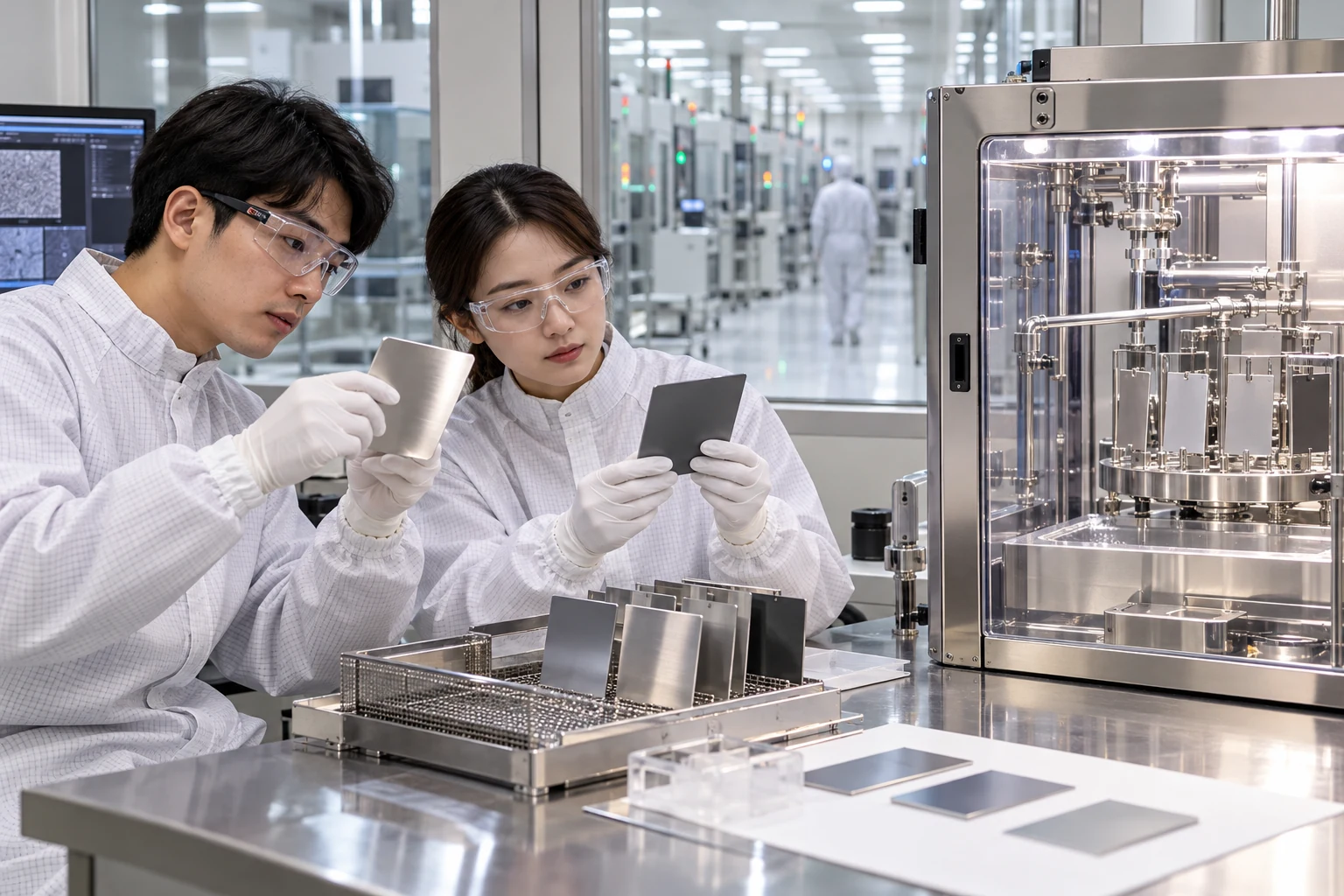
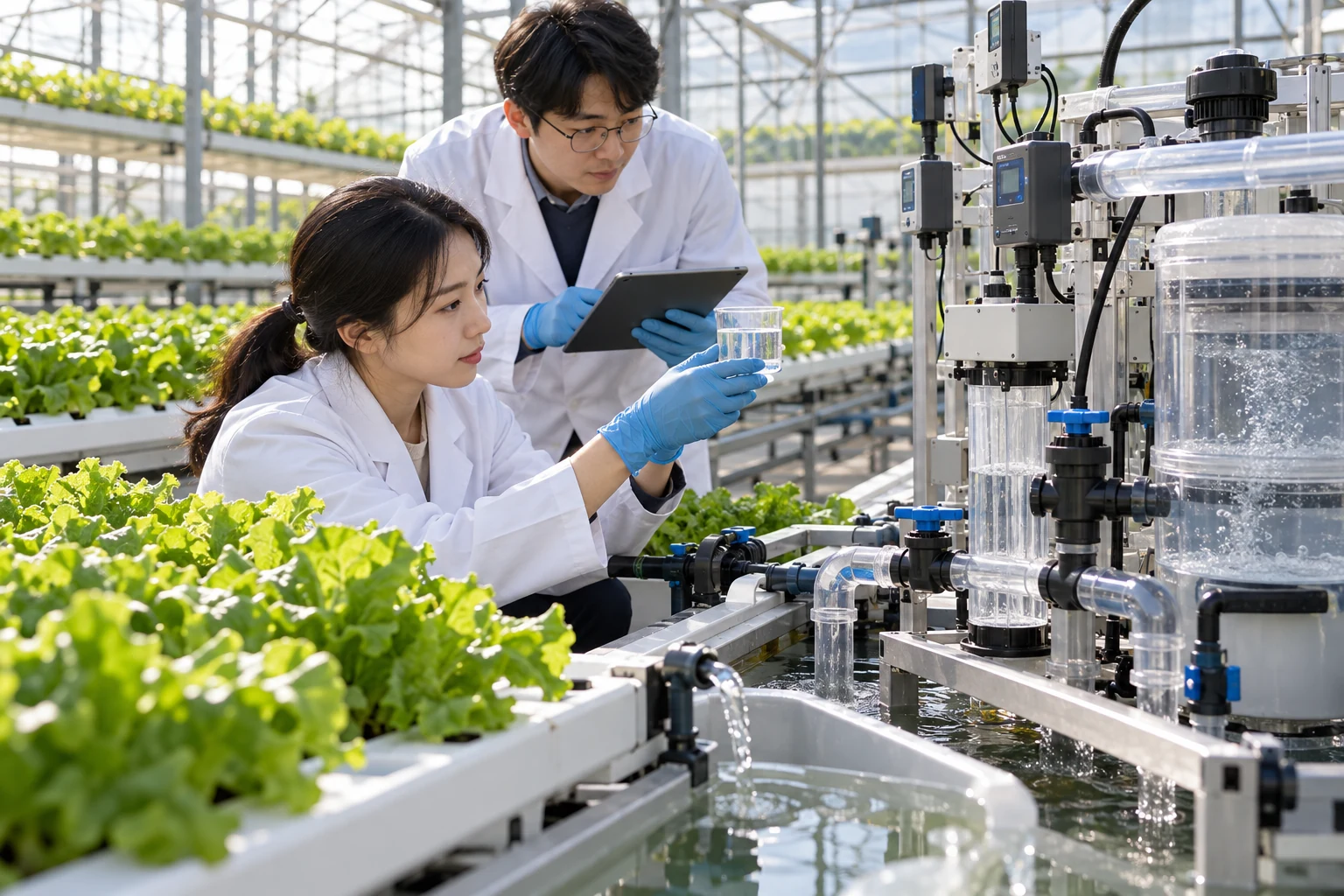
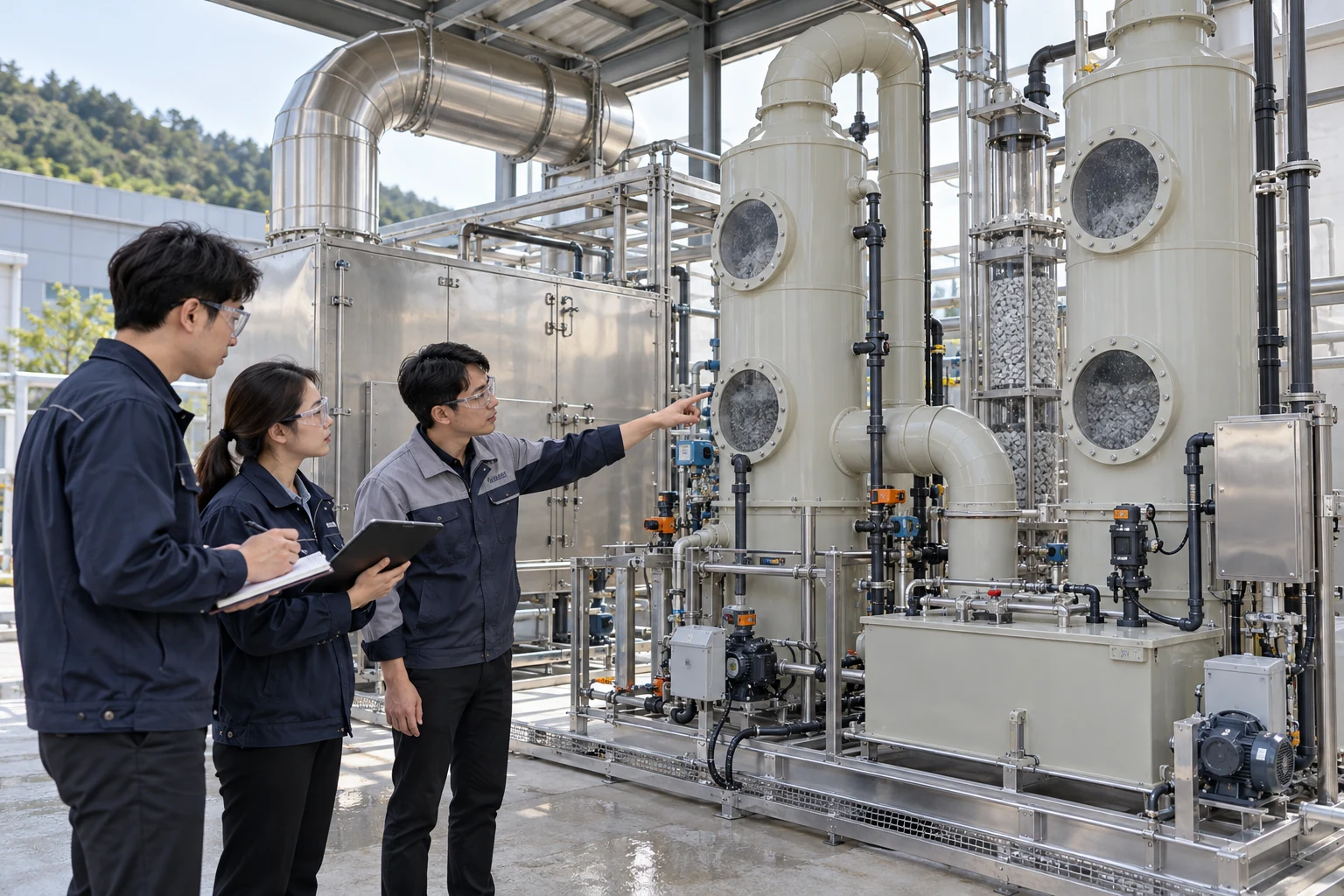
AI illustration of customer-driven development; not a photograph of actual facilities or employees.
Requirement-ledMeasurable validationChemistry, equipment & process
Turn customer needs into development criteria.
Problem
Define soil, residue, odor, material change and conditions needing improvement.
Application
Review materials, equipment, work areas, users, operations and excluded scope.
Targets
Agree evaluation items, methods, baseline comparisons and acceptance criteria.
Safety & compatibility
Review material effects, handling, residues, recovery, disposal and approvals.
Economics & operations
Consider product use, process time, maintenance, integration and target cost.
Schedule & scope
Agree samples, prototypes, evidence, site support, training, supply and timing.
Jump to a field
BIOCLEAN / NUCLEAR
Nuclear
Decontamination and environmental R&D considering material preservation and contaminant recovery
Requirements
Contaminants, surface materials, equipment history and access
Customer radiation-management, waste-classification and release requirements
Work time, recovered volumes, secondary waste and evaluation targets
Development directions
Evaluate compatibility of candidate cleaning/decontamination formulations
Concept design for closed-loop cleaning, recovery and used-liquid separation
Plan procedures, sampling and traceable records
Testing & validation
Initial comparison with non-radioactive simulated soil and material coupons
Assess corrosion, appearance, recovered liquid and residues
Radioactive applications require separately agreed tests with authorized facilities and specialists
Deliverables
Requirements, test plan and candidate comparison
Prototype/module concept, process and management guide
Development report separating verified scope from open questions
This is a development field under evaluation, not a claim of nuclear certification or completed decontamination projects. Radioactive work requires customer authorization and specialist procedures and validation.
Material-first cleaning development for metals, coatings and composites
Requirements
Material type and condition: aluminum, coatings or composites
Maintenance documents, permitted chemicals, rinsing and drying conditions
Targets for oils, soil films, residues and work time
Development directions
Compare candidate cleaners and material-specific processes
Formulate around residue, rinsability and handling requirements
Progress from coupon tests to agreed maintenance-support trials
Testing & validation
Compare appearance, gloss, coating, corrosion and material changes
Evaluate post-rinse residue and repeated-use conditions
Confirm manufacturer, operator and maintenance-organization approval criteria
Deliverables
Material-specific scope and test records
Samples, process proposal and quality checklist
Improvement records incorporating site feedback
No aircraft-manufacturer certification or flight-critical application approval is claimed. Actual use follows applicable maintenance documents and approvals.
No classification-society approval or discharge permission is implied. Vessel operation, waste and discharge conditions need site-specific authorization and review.
Development around cleanliness, compatibility, residues and environmental utilities
Requirements
Separate cleanroom support, equipment-adjacent, wastewater and odor areas
Surface materials, permitted ingredients, ions, particles and residue criteria
Production impact, work authorization, shutdown and recovery conditions
Development directions
Evaluate compatible low-residue cleaning candidates for support areas
Concept design for wastewater-specific pretreatment and recovery
Review capture, treatment chemistry/equipment and odor monitoring together
Testing & validation
Design customer-specific material, rinse and residue tests
Compare representative and variable operating conditions
Review utility integration, stability and site approval procedures
Deliverables
Requirement-specific development and validation plan
Coupon tests, prototypes and environmental integration concept
Inspection, sampling and operating-record templates
No wafer-process chemistry qualification, ultrahigh-purity grade or cleanroom certification is claimed. Process-internal use needs separate customer approval and qualification.
Growing-environment R&D around crops, water and equipment
Requirements
Crops, cultivation method, irrigation and recirculation
Water quality and soil history in pipes, filters and tanks
Crop contact, cleaning windows and operating targets
Development directions
Review equipment cleaning/hygiene during pre-planting and downtime
Design pretreatment and recirculation concepts for water conditions
Link sensor records, inspection criteria and maintenance intervals
Testing & validation
Evaluate material compatibility, water change, residue and repeat operation
Assess crop effects in separate trials with specialist input
Check operating indicators under normal and variable conditions
Deliverables
Water/equipment-specific management and testing plan
Prototype, sensor integration concept and training material
Checklists, operating records and improvement plan
No crop-protection registration or approval for direct food-crop use is implied. Crop contact and treated-water use require separate safety and compatibility evaluation.
Record targets, materials, constraints and acceptance criteria.
02
Review site & samples
Assess sources, materials and existing methods; define representative trials.
03
Design candidates
Compare chemistry, materials, equipment and treatment-process options.
04
Test coupons & prototypes
Evaluate suitability and targets at small scale; record improvements.
05
Site pilot
Test operation and repeatability within a customer-approved limited scope.
06
Validate & refine
Compare findings with requirements and improve unmet items.
07
Supply, train & manage
Agree documentation, training, records and supply for confirmed scope.
Provide evidence you can review.
Configure requirements, test plans, samples, prototypes, comparative evaluations and operating guides to the agreed scope. Clearly distinguish unapproved candidates from validated applications.
What problem do you want to solve?
Tell us your industry, materials, problem, targets, environment, budget range and timing. Confidential information and sample-sharing scope can be agreed separately.
 한국어
한국어 English
 日本語
日本語 Tiếng Việt
 Filipino
 Technology for customers, care for the environment